Couples therapy is one of the most misunderstood forms of mental health support — especially within QTBIPOC and BIPOC communities. Despite growing visibility on social media, many couples still hesitate to seek therapy because of cultural stigma, misinformation, or fear of being judged.
Across platforms like TikTok and Instagram, conversations about “attachment styles,” “narcissistic partners,” “gaslighting,” “trauma bonds,” “hyper-independence,” and “soft life relationships” are trending. While increased awareness can be empowering, it can also create confusion and reinforce myths about what couples therapy actually is.
At Empowered Mind Therapy Center (EMTC), we provide culturally affirming, trauma-informed couples therapy for QTBIPOC and BIPOC partners across California. Our work integrates brain-based modalities like EMDR and Brainspotting to support deeper relational healing — not just surface-level communication tips.
If you’ve ever wondered whether couples therapy is “too dramatic,” “only for crisis,” or “against your culture,” this blog is for you.
Why Cultural Stigma Around Couples Therapy Still Exists
For many BIPOC and QTBIPOC couples, therapy hesitancy is not about resistance to growth — it’s about history.
Common barriers include:
Generational messaging to “keep family matters private”
Religious teachings discouraging outside intervention
Historical mistrust of mental health systems
Fear of community judgment
Cultural emphasis on endurance over vulnerability
Belief that relationship struggles should be handled internally
For queer and trans QTBIPOC couples, there may also be concerns about safety, identity invalidation, or working with therapists who do not understand intersectionality.
These concerns are valid. And they deserve to be addressed openly.
Common Myths About Couples Therapy — and the Truth
Myth #1: Couples Therapy Is Only for Couples in Crisis
Social media often portrays therapy as something couples turn to after betrayal,
separation, or explosive conflict.
Reality: Couples therapy is most effective when started early.
Therapy can help couples:
Strengthen communication
Navigate career stress
Prepare for marriage
Improve emotional intimacy
Address recurring minor conflicts before they escalate
Proactive therapy is not dramatic — it’s preventative care for your relationship.
Myth #2: If We Need Therapy, Our Relationship Is Failing
One common fear is that therapy becomes a courtroom where one partner is blamed.
At EMTC, our therapists act as neutral facilitators. We focus on patterns, not villains.
Rather than asking “Who is right?” we explore:
What is happening beneath the argument?
What attachment needs are activated?
What trauma responses are surfacing?
How can both partners feel safe?
Our goal is relational repair — not fault-finding.
Myth #3: The Therapist Will Take Sides
One common fear is that therapy becomes a courtroom where one partner is blamed.
At EMTC, our therapists act as neutral facilitators. We focus on patterns, not villains.
Rather than asking “Who is right?” we explore:
What is happening beneath the argument?
What attachment needs are activated?
What trauma responses are surfacing?
How can both partners feel safe?
Our goal is relational repair — not fault-finding.
Myth #4: Therapy Is Just Talking About Feelings
Traditional talk therapy can be helpful — but at EMTC, we go deeper.
We integrate:
These brain-based modalities help process trauma stored in the nervous system that often fuels reactive conflict.
When arguments feel disproportionate or emotionally overwhelming, there is often unprocessed trauma underneath.
Brain-based couples therapy helps reduce:
Emotional flooding
Shutdown responses
Betrayal trauma activation
Attachment wounds
Nervous system dysregulation
This is not just communication coaching — it is trauma-informed relational healing.
Social Media Trends vs. Clinical Reality
Many couples today arrive in therapy using language learned online:

“My partner is a narcissist.”
“They’re gaslighting me.”
“I have anxious attachment, they’re avoidant.”
“I’m protecting my soft life.”
“I refuse to tolerate bare minimum behavior.”
While these frameworks can provide insight, they can also oversimplify complex relational dynamics.
In therapy, we slow down and explore:
Is this narcissism — or trauma-based defensiveness?
Is this gaslighting — or miscommunication?
Is this anxious attachment — or unresolved abandonment trauma?
Is hyper-independence masking fear of vulnerability?
Couples therapy provides nuance beyond viral soundbites.
Addressing Cultural Stigmas Directly
Stigma: Therapy Is a Sign of Weakness
Reality: Therapy requires courage.
Choosing couples therapy means you are willing to examine patterns, take accountability, and invest in growth.
For QTBIPOC couples navigating systemic stress, seeking support can be an act of resistance and empowerment.
Stigma: Cultural or Religious Beliefs Are Incompatible with Therapy
Reality: Culturally affirming therapy honors your values.
At EMTC, we integrate cultural identity, spirituality, family structures, and lived experiences into the therapeutic process. Therapy does not require abandoning your beliefs — it can support you in clarifying and strengthening them.
Stigma: Therapy Isn’t Private
Reality: Therapy is confidential.
Licensed therapists are bound by strict ethical and legal guidelines to protect your privacy. Your sessions are not shared with family, community members, or employers.
Why QTBIPOC & BIPOC Couples in California Choose EMTC
Our couples therapy is specifically designed for:
Professional women and their partners
Couples navigating racial trauma
First-generation professionals
Queer and trans couples
Partners unpacking intergenerational patterns
High-achieving couples experiencing burnout
We understand that relationship stress is rarely isolated from identity, culture, and systemic pressures.
Our trauma-informed, brain-based approach supports:
Nervous system regulation
Attachment repair
Emotional safety
Trust rebuilding
Deepened intimacy
When to Consider Couples Therapy
You may benefit from couples therapy if you are experiencing:
Recurring unresolved arguments
Emotional disconnection
Trust concerns
Intimacy challenges
Boundary struggles with extended family
Work stress impacting your relationship
Feeling more like roommates than partners
Therapy is not about proving who is right. It’s about creating a relationship that feels secure and aligned.
Frequently Asked Questions About Couples Therapy
Is QTBIPOC couples therapy different from general couples therapy?
Yes. Culturally affirming therapy acknowledges how race, culture, gender identity, sexual orientation, and systemic stress impact relationships. It moves beyond generic communication advice.
Can EMDR be used in couples therapy?
Yes. EMDR can help process attachment injuries, betrayal trauma, and triggers that escalate conflict, reducing emotional reactivity between partners.
What is Brainspotting and how does it help couples?
Brainspotting is a brain-body therapy that helps process stored trauma. In couples therapy, it can improve emotional regulation and decrease reactive conflict patterns.
Do you offer couples therapy throughout California?
Yes. EMTC provides secure telehealth couples therapy for clients across California.
Is couples therapy only for married couples?
No. Couples therapy supports dating, engaged, married, queer, and long-term partnerships at any stage.
You Don’t Have to Navigate This Alone
If myths, stigma, or social media messaging have left you feeling uncertain about couples therapy, know this:
Seeking support is not failure. It is intention.
At Empowered Mind Therapy Center, we provide culturally affirming, trauma-informed couples therapy for QTBIPOC and BIPOC partners across California. Whether you are strengthening your bond or repairing after rupture, our team is here to support your growth.

Looking for support with stress or anxiety in Walnut Creek, Oakland, or the greater San Francisco Bay Area?
At Empowered Mind Therapy Center, we are dedicated to offering compassionate care and unwavering support for individuals who are seeking personal growth and healing. Our highly experienced therapists specialize in trauma-informed therapy, ensuring you receive the utmost care and understanding.
Whether you call Walnut Creek, Hayward, or any other corner of the San Francisco Bay Area home, rest assured that we offer evidence-based treatment options customized to meet your unique needs. Our goal is to empower and support you on your path to healing and personal growth.
Our commitment to your well-being is unwavering. Let us be your source of strength and support as you journey towards healing and resilience.
If you're interested in starting counseling at Empowered Mind Therapy, follow these steps:
Get in touch with our Intake Coordinator at 925-257-0205 or book your free consultation.
Get started on your healing journey and finally feel better.
Other Services We Offer in the San Francisco Bay Area & Throughout California
In addition to providing online therapy, we also offer a variety of counseling services for women of color. This includes relief and support for depression, processing trauma, anxiety support, and relationship issues. Our caring therapists also offer Brainspotting, EMDR & EMDR Intensives. All of these services are available in person at our Walnut Creek, CA-based therapy practice or online throughout California.
About The Author
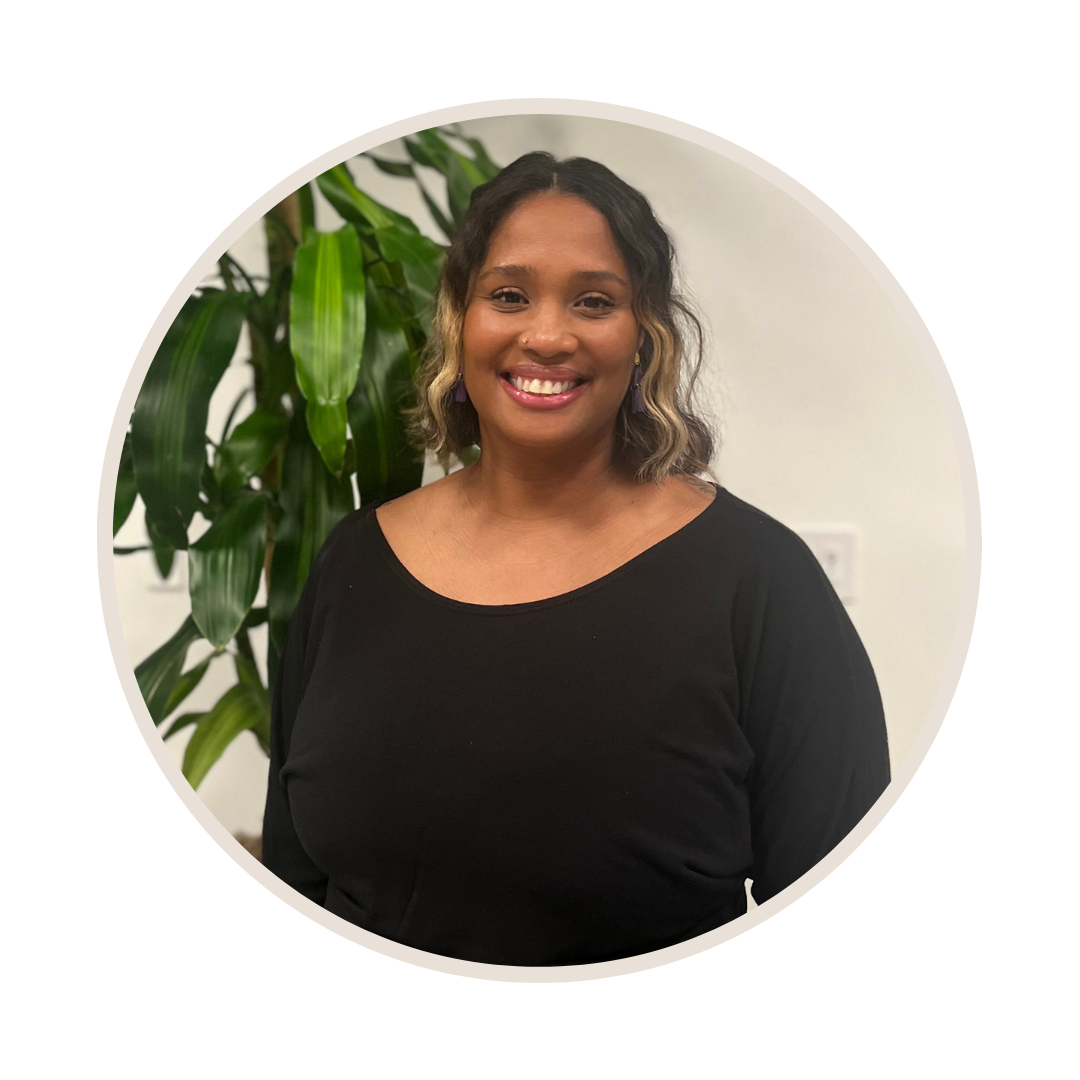
Monique Jacobo-Evans, LCSW is a clinical therapist in the San Francisco Bay Area, providing therapy services at Empowered Mind Therapy Center, a therapy community where women of color thrive